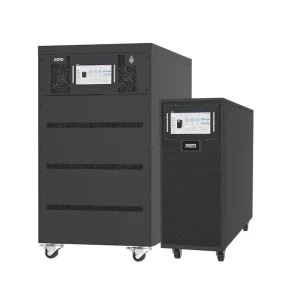
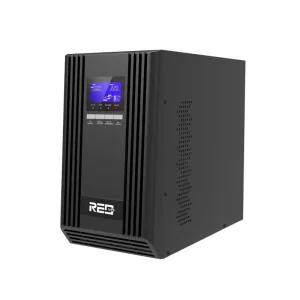
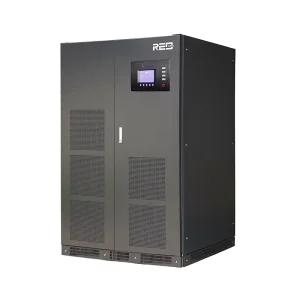
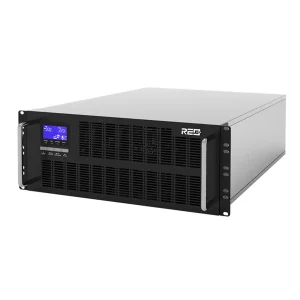
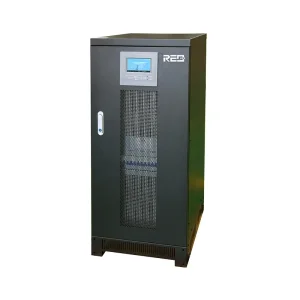
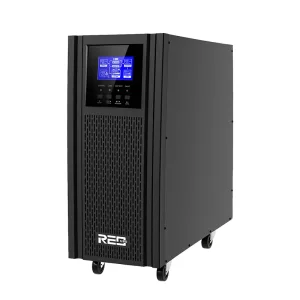
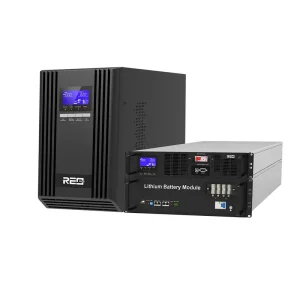
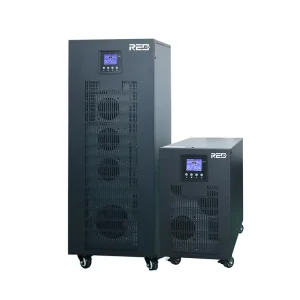
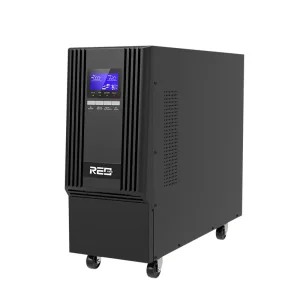
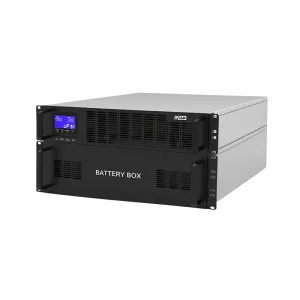
In the high-stakes environment of a modern hospital, electricity is as essential as oxygen. As a leading OEM Hospital UPS Supplier, we recognize that power interruptions are not just inconveniences—they are life-threatening events. The global healthcare sector is currently undergoing a massive digital transformation, integrating sophisticated diagnostic tools, electronic health records (EHR), and robotic surgery systems.
The industrial status of hospital-grade Uninterruptible Power Supplies (UPS) has shifted from being a "backup option" to a "primary safety infrastructure." Across North America, Europe, and Asia-Pacific, healthcare facilities are prioritizing robust power protection to comply with strict medical safety regulations such as IEC 60601 and local building codes for life-safety systems.
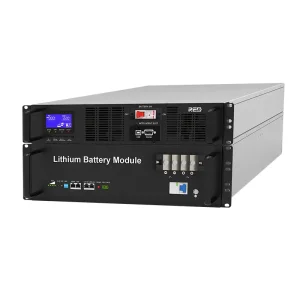
Traditional lead-acid batteries are being replaced by Lithium-ion (LiFePO4) technology. As a Hospital UPS factory, we offer Li-ion solutions that provide longer lifespans, smaller footprints, and faster recharge cycles, making them ideal for space-constrained medical labs.
Smart UPS systems are now equipped with IoT sensors that allow hospital engineers to monitor battery health, load capacity, and environmental conditions remotely through cloud-based platforms.
With hospitals operating 24/7, energy costs are significant. Modern transformerless UPS designs achieve over 96% efficiency in double-conversion mode, significantly reducing the facility's carbon footprint.
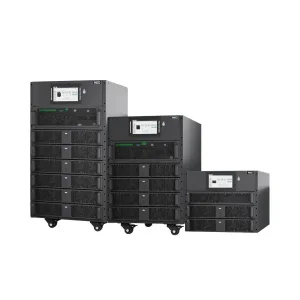
Modular UPS systems allow hospitals to "pay as they grow." By adding power modules, facilities can increase capacity without replacing the entire infrastructure, ensuring continuous uptime during upgrades.
Medical-grade UPS units must feature galvanically isolated transformers to prevent leakage current, ensuring that equipment in contact with patients remains electrically safe at all times.
As UPS systems connect to hospital networks, securing the power gateway against cyberattacks has become a top priority for global procurement teams.
Hospitals worldwide have diverse requirements based on their infrastructure maturity and local power grid stability. From Tier-1 trauma centers to remote field clinics, the demand for specialized OEM Hospital UPS is surging.
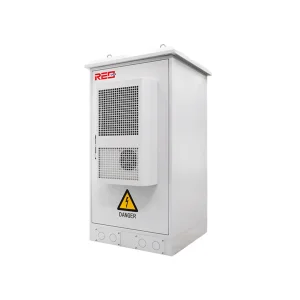
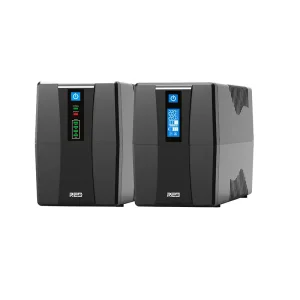
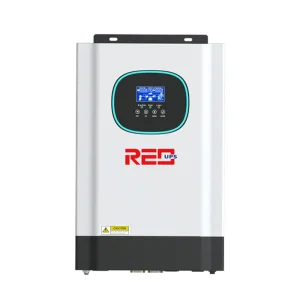
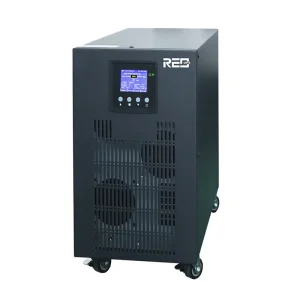
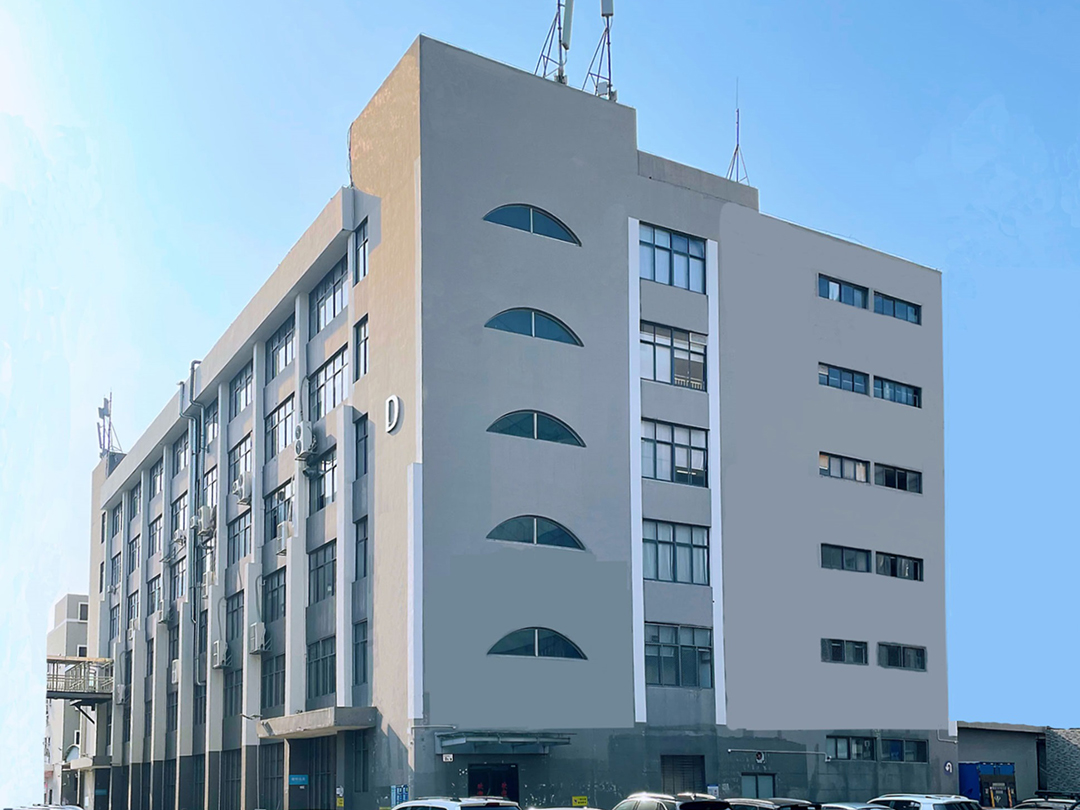
Shenzhen REO Power Co., Ltd. is a top UPS manufacturer in Shenzhen China that main focus on UPS power, single phase UPS, split UPS (220V input/110V+110V output),three phase UPS, lithium-ion UPS, modular UPS, outdoor UPS, off line UPS, solar inverters, batteries and other related solar products.
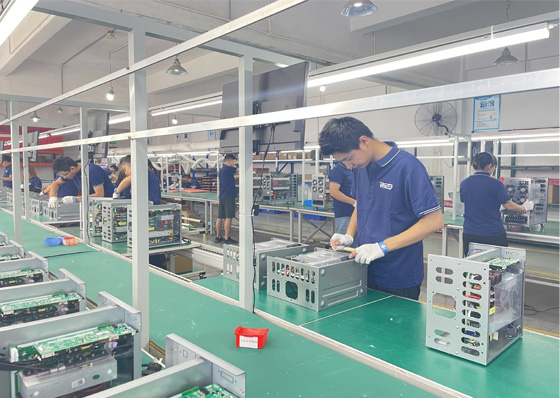
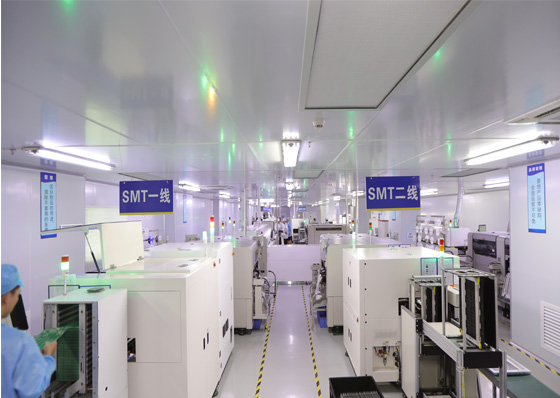
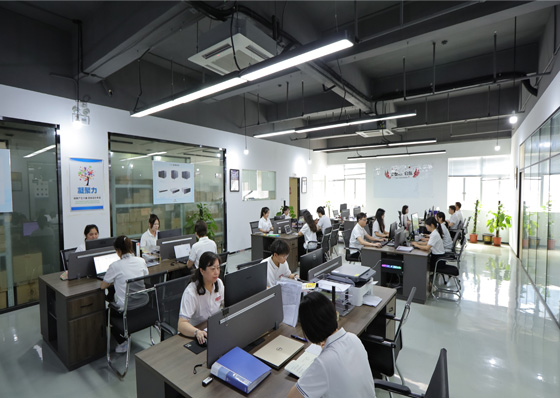
We have extensive experience in researching, developing, manufacturing, selling and servicing customers from over 100 countries across various industries. Established in 2015, we operate from a 13,500 square meter facility with over 150 dedicated employees.
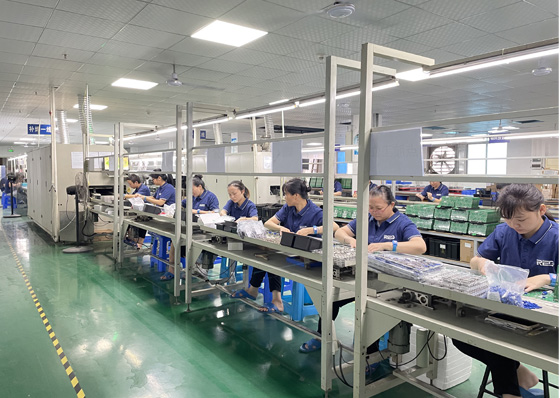
As a specialized Hospital UPS manufacturer, we leverage China's advanced electronic supply chain to provide high-quality components at competitive prices. Our facility is ISO9001 certified, and every unit undergoes rigorous testing:
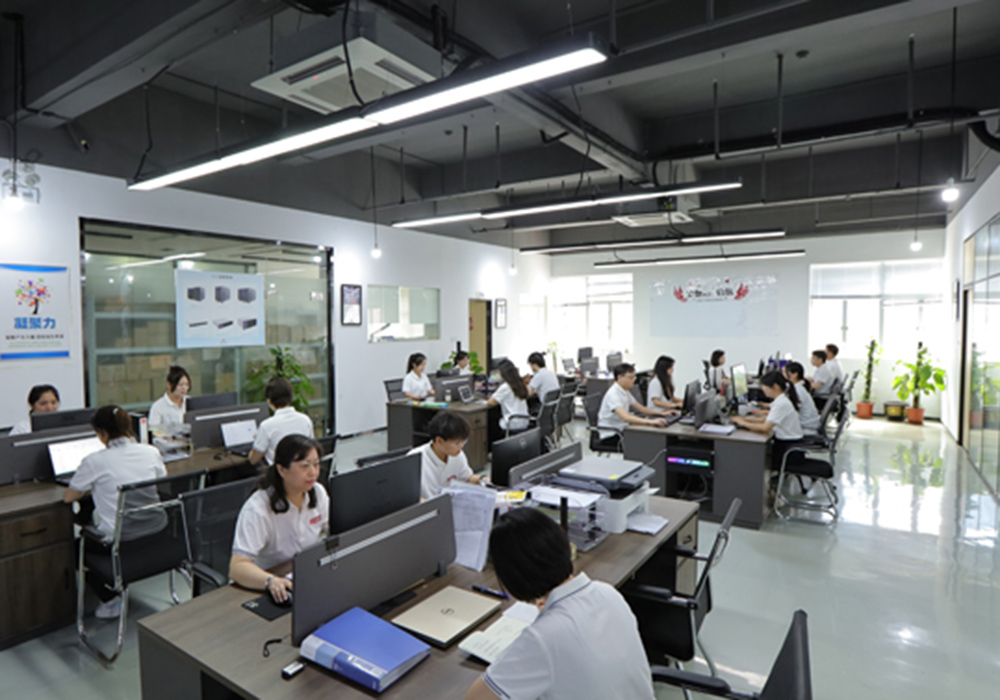
Our CTO-led R&D team brings 20+ years of engineering expertise to your brand. We offer:
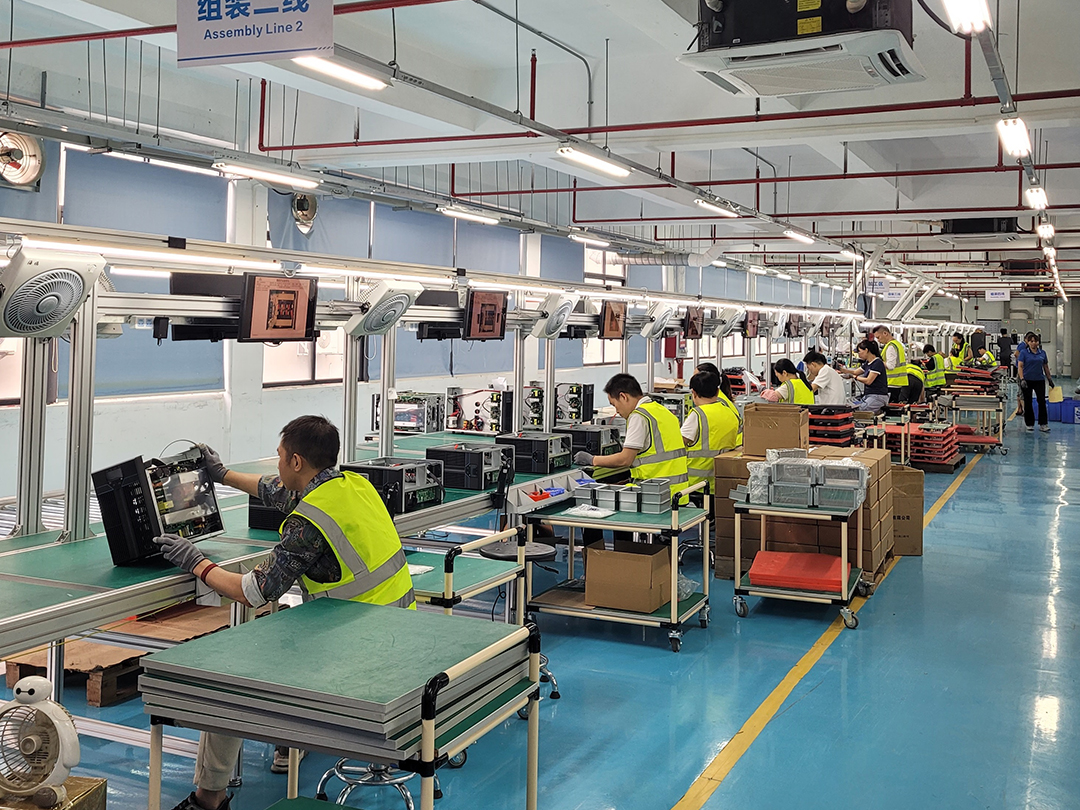
10 production lines with a monthly capacity of 80,000 units.
The demand for an OEM Hospital UPS Supplier is particularly high in developing economies where the power grid is often unstable. In regions like Southeast Asia, Africa, and parts of South America, healthcare facilities face frequent voltage fluctuations and power surges. Our low-frequency UPS models are specifically designed to handle these harsh electrical environments, providing a "buffer" that protects expensive diagnostic equipment from premature failure.
Procurement officers today look beyond the initial purchase price. They focus on the Total Cost of Ownership (TCO). This is where our Shenzhen-based factory excels. By optimizing the internal design for easy maintenance and using high-efficiency power modules, we help hospitals reduce cooling costs and battery replacement frequency. Our smooth English communication and technical support ensure that international clients receive the exact specifications required for their local medical regulations.
Looking ahead, we are integrating AI-driven predictive maintenance into our UPS systems. Imagine a UPS that can notify the hospital staff before a battery fails or when a power component is overheating. This "tech-forward" approach is what defines us as more than just a manufacturer—we are a partner in medical innovation.
 REO UPS